Free Worldwide Delivery

Secure payment
Free Worldwide Delivery
Secure payment

Price Promise

Friendly Support
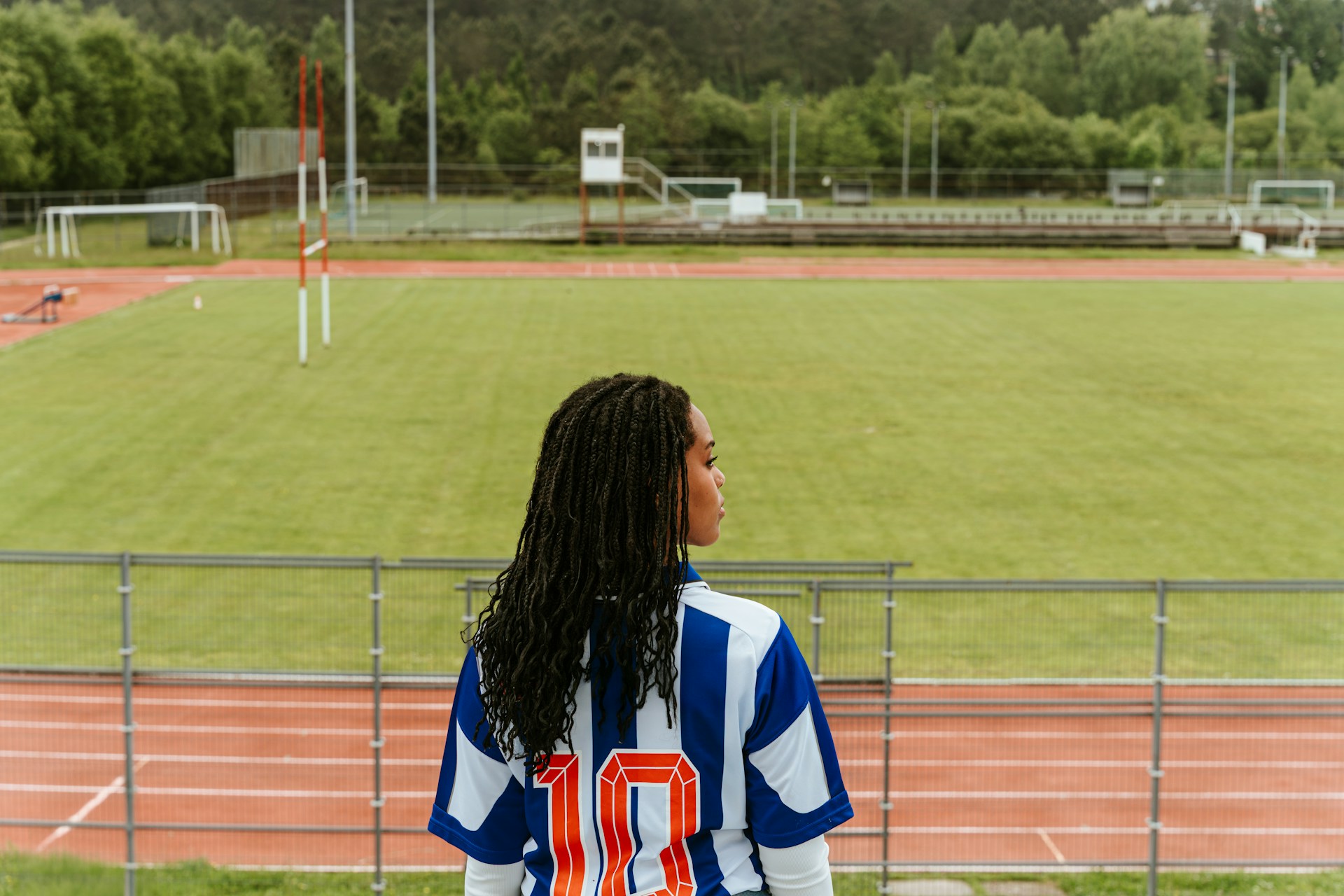
1990s football shirts are having a bit of a moment, and it’s not hard to see why. Bold patterns, oversized fits, and sponsor logos you haven’t seen in years all bring back a style that was loud, proud, and full of personality. For many, collecting these shirts goes beyond just ticking names off a list. It taps into memories of Saturday matches, childhood heroes, and the feeling of being part of something bigger.
Still, it’s easy to overlook what makes these shirts more than just clothing. We often think in terms of colours and names when the real depth is in the smaller, less obvious things. That extra stitching on the sleeve, the one-off sponsor that never showed up again, that old club badge that vanished with a rebrand. All of this adds meaning to the shirts we now pull back out of drawers or hang on walls. There’s plenty to enjoy when collecting 1990s football shirts, but often, fans miss a few layers that give these kits their lasting power.
A kit doesn’t just represent a team, it marks a time. Every season brought updated designs, slight changes in fabric, or a new sponsor across the front. While the details might seem small, they link directly to a moment in football history. The same strip might remind one person of a tense derby win and someone else of a disappointing cup run. That’s the thing, context changes how a shirt feels.
If you’re holding a shirt from 1996, for example, chances are it saw more than just one season’s action. Fans remember these kits for reasons that go beyond how they looked. Some were tied to youth memories, long trips to the ground, or a league run that came down to the wire. Others might mark a European campaign or the farewell season of a favourite player. On the My Retro Jersey store you can find pieces such as the Napoli 1990-1991 home shirt worn by Maradona and the Manchester United 1992-1994 shirt associated with Eric Cantona, each instantly linked to a particular spell in football history.
When collecting, we sometimes focus too much on finding the rarest version or the one in the best condition. But if we skip past the history, we’re letting half the story get away. It’s not just fabric. It’s watching games with your grandad, sneaking a radio into school for midweek kickoffs, or waving goodbye to a manager that changed everything. Knowing these links makes your collection more personal and grounded.
If you’ve ever tried on a 90s shirt, you’ve noticed the difference straight away. They’re roomier, with thick sleeves and longer hems. They don’t hug the body. That’s just how things were back then, and it’s part of the charm. Still, it’s something collectors often forget when comparing them to newer kits.
Shirts from that time had a different kind of weight, physically and visually. The materials were sometimes shinier or more textured. There’s a plastic-like feel to some designs, and others feel closer to cotton. The look was boxy on purpose, matching the wider fashion of the decade.
What gets missed is how these details affect the appeal. These weren’t just football kits; they were worn out to the playground, at birthday parties, or layered over polos on chilly match days. They were meant to be lived in, not tucked away. A good collection doesn’t just cover colours and crests. It keeps the shape, the style, and the everyday use in mind, because that’s what made 90s shirts feel like something more than sportswear. Many of the 1990s replicas sold by My Retro Jersey include a UK size guide and a note recommending that you order a size up from your usual fit, so you can keep that relaxed look that defined the originals.
Some sponsors from the 90s are more iconic than the shirts themselves. They bring back memories that hit fast, that lager brand your uncle loved, the computer logo from your first desktop, or the car model you saw every Sunday in the drive. Club sponsors weren’t just names slapped on fabric. They reflected what people recognised at the time.
Logos changed shape, grew bigger, changed colours. Badges got cleaned up or swapped out, sometimes for good, sometimes only for one season. Even the font used for player names came in different forms. All these changes mattered. You might not spot them at first glance, especially if you didn’t support the club at the time, but they’re key to how the shirt feels.
Skipping past those design points means missing part of what made that season unique. For fans who lived it, it’s often the sponsor or badge that brings the emotion back faster than the rest. When we take time to pay attention to those pieces, we learn more about what a kit actually meant and why it still speaks now.
Some fans worry about ruining their shirts by wearing them again, especially as the fabric ages. That’s fair. Not every shirt from the 90s is going to hold up like it’s brand new. But hiding them away completely takes the fun out of owning them.
There’s a middle ground, and many collectors settle into it.
• Rotate what gets worn and what stays folded away.
• Wash them carefully, and skip the dryer.
• Keep them out of direct light when they’re on display.
The usual stuff works, and it doesn’t need to be complicated.
What matters here isn’t making a showpiece, it’s keeping use in mind. These shirts were bought to be worn. There’s no reason they can’t still be. And how they wear over time, that slight fade or worn stitching, adds character to them. A bit of wear is part of their story. If looked after just enough, 1990s football shirts don’t need to fade into storage. They can still have a home in your everyday life.
It’s easy to focus on how a shirt looks, but often, the memories attached are what give it real weight. Whether it’s a birthday present, a hand-me-down from a brother, or something you begged your parents for all summer, that feeling is what stays most.
Collections grow better when they’re rooted in meaning. Not just how many shirts you’ve found, but why each one matters to you. The kits from the 90s have personality, flaws and all. There’s no need for them to be perfect. There’s more value in remembering where yours came from and why you still look for more.
Every shirt carries part of your story. That’s what collecting is about, not just owning, but keeping connected to moments that mattered.
At My Retro Jersey, we believe every shirt has its place in your story, whether it’s for the memories it brings or the design that still stands out decades later. Drawn to the bold colours, classic badges and oversized cuts that defined the decade, there’s no better time to explore our collection of 1990s football shirts. You’ll find a mix of favourites that shaped seasons, clubs and childhoods alike. Let us know if there’s something specific you’re searching for or if we can help add another memory to your shelf.