Free Worldwide Delivery

Secure payment
Free Worldwide Delivery
Secure payment

Price Promise

Friendly Support
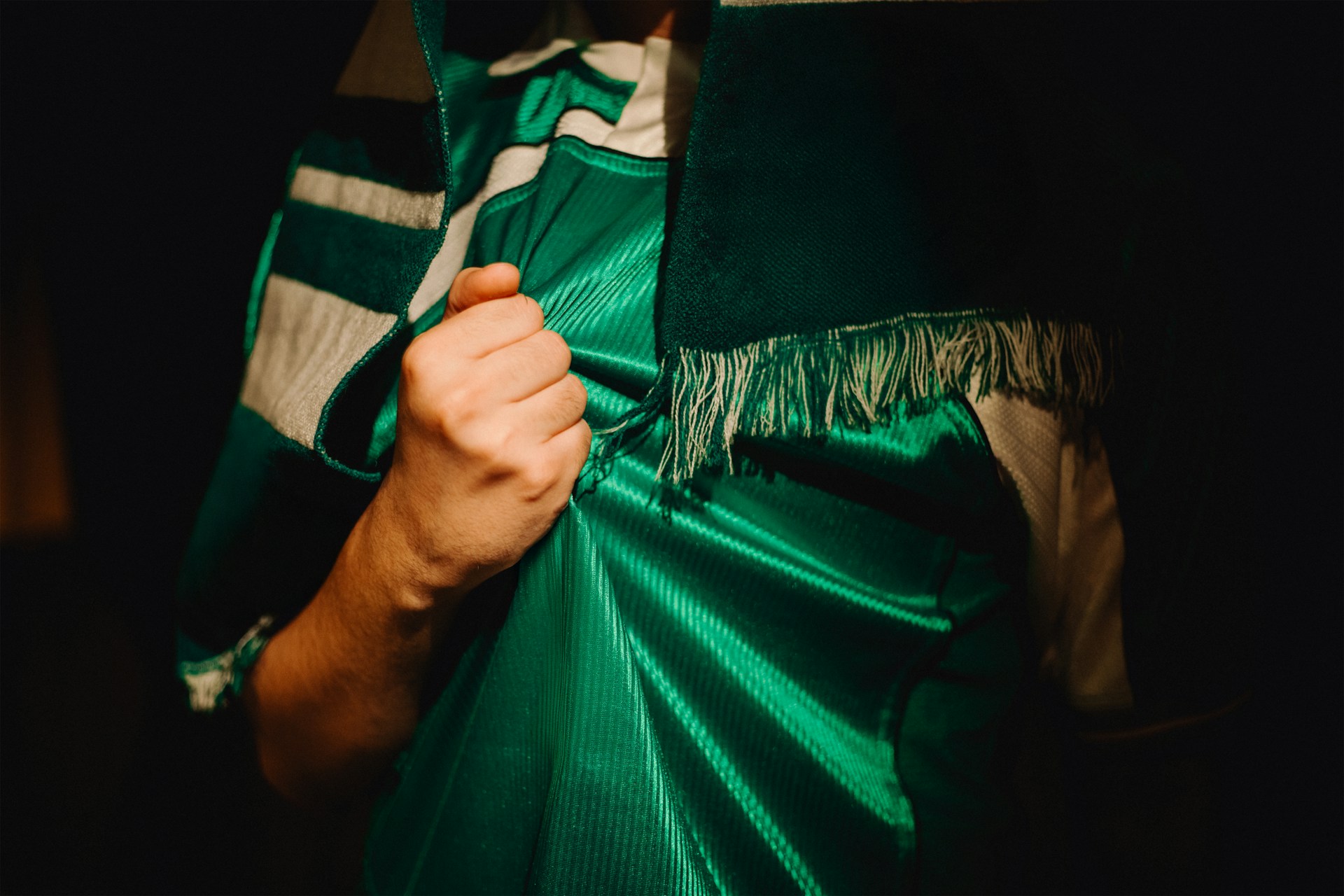
Vintage European football shirts are more than just fashion statements or collectables. For many, they hold memories of big goals, iconic players, or even the first match you ever watched with your mates. These shirts have been through more than a few wash cycles, and that’s part of their charm. But as time goes on, they can begin to lose some of their original colour and feel.
Fading is natural, and it happens even when shirts are stored with care. That soft red or bold blue might start to dull. Logos might crack or lose their shine. Knowing the signs early can make all the difference. Spotting fading before it takes over helps you enjoy your favourites longer, and keeps your collection feeling fresh without worrying about long-term damage. On My Retro Jersey, many of our European recreations sit in the £42.99 to £47.99 range, giving fans a price-friendly way to keep meaningful shirts in their rotation.
One of the first places you’ll notice fading is in the colour of the fabric itself. The red on a Milan shirt or the green from an old Celtic third kit might not pop the way it used to. This tends to show up near the collar, sleeve edges, and across the back where the fabric stretches more. Colours wash out gradually, so the change can sneak up on you.
You’ll also want to check the finer details. Badges and sponsor text often show signs first. They may begin to flake, fade, or turn dull grey instead of clean white. A classic shirt with a printed design can look tired once its logo loses definition. Then there’s uneven fading, which is a sign of poor storage or washing habits. Shirts stored in direct light or washed on hot cycles can lose colour in patches.
Watch for these small shifts:
What seems like a minor issue can lead to quicker wear if not noticed early.
You might put a shirt away in December, then pull it out for a sunny spring match and find it’s not quite the same. Light is one of the most silent and steady threats to colour. If vintage European football shirts are left hanging near windows or on open shelves, their colours can fade even when they’re never worn. Direct sunlight bleaches fabric gradually, taking the edge off once vibrant tones.
Heat has a sneaky part to play as well. Radiators or even warm cupboards can lead to faster breakdowns in colour, especially on older materials. Folding a shirt and storing it under other items can leave permanent crease marks, where colour breaks down along the lines.
Try keeping shirts away from:
A little care with where they live makes a huge difference across seasons.
Not all shirts fade at the same rate. Some of the earliest synthetic blends used in the 70s and 80s tend to hold their colour well, but can still go dull after a few decades. Polyester is another common material, especially in 90s kits, but even that can fade unevenly if overwashed or dried too quickly. Cotton blends used in some training tops often show fading first, mostly due to their softer texture.
Every shirt reacts differently, but small details will hint at what to watch out for:
Learning how each shirt feels and wears helps you notice what’s changing before it goes too far.
It helps to get into the habit of giving your shirts a quick look before and after you wear them. Natural light is your best friend here. Under soft daylight, run your eyes across the fabric. Look at areas where hands tend to grab or where sweat builds up. These zones often show early signs of dullness.
Try this simple check once a month:
You don’t need to go in too deep. The idea is to catch the small shifts in colour or feel early. That way, you can rotate shirts or give one a break if needed.
Sometimes, care can be too much. Washing a shirt too often might leave it clean, but it can draw out the colour, especially on older fabric. A cold rinse and air dry go a long way in keeping things looking nice. Hot water is usually too harsh, and tumble drying speeds up wear.
When it comes to folding, avoid sharp creases. A roll or gentle fold stored flat works better. Airing a shirt after wearing, instead of immediate washing, is a helpful habit if it hasn’t picked up any stains or smells.
Keep to these habits to protect your shirts:
A little planning helps limit fading without having to hide the shirts away.
Vintage European football shirts carry more than just club history, they often hold onto pieces of our own memories. Whether it’s a match-winning strike, a player you loved growing up, or a gift from someone, these shirts mean something personal. So when the colours fade or the print breaks down, it feels like something special has worn away.
Spotting early signs of fading and giving shirts the soft care they deserve helps keep them going for many more seasons. It doesn’t have to be complicated. A bit of attention, smart storage, and thoughtful wear go a long way. And when it all adds up, your retro favourites stay ready to wear, not just to remember. Many of our European kits include a UK size guide, usually recommend ordering a size up from your normal fit, and note that some jerseys can take between 7 and 21 business days to be shipped once dispatched, so you know exactly what to expect when you order.
Refreshing your wardrobe is easy with our range at My Retro Jersey, where we help you keep your look timeless while enjoying the classics you love. You’ll find an exciting mix of home and away kits, international favourites, and standout shirts from every league. Browse our current line-up of vintage European football shirts to discover your next favourite piece, and if you need advice about fit, condition, or style, our team is always happy to help.